The Hot Tub Mistake We See Over and Over:
Too Much Chlorine

Picture this: cloudy water, an odd smell, and a tub that just doesn’t feel fresh. What’s the go-to response? You guessed it…chlorine!

It’s a habit we see all too often in the field, and it’s actually one of the costliest mistakes a hot tub owner can make. Here’s the scoop: chlorine isn’t a “more is more” kind of chemical. After a certain point, it’s no longer your friend; it turns into a troublemaker, causing more harm than good.

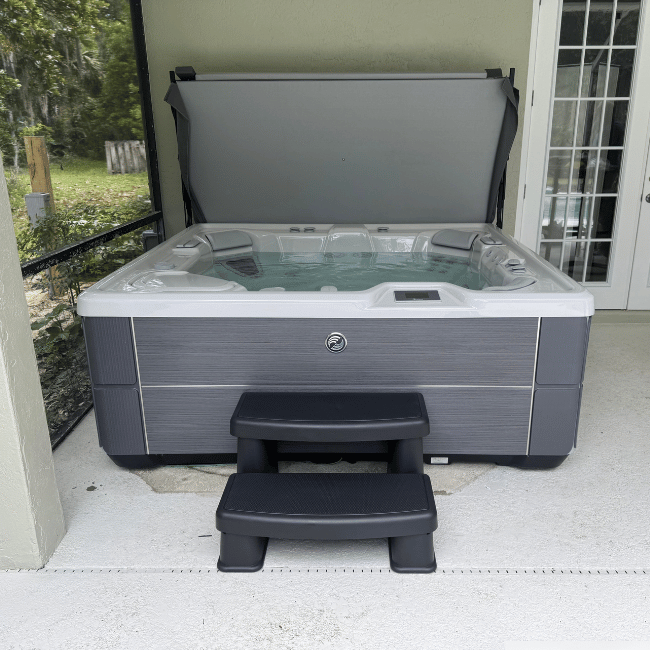
Hot Spring Hot Tub in Daytona, FL
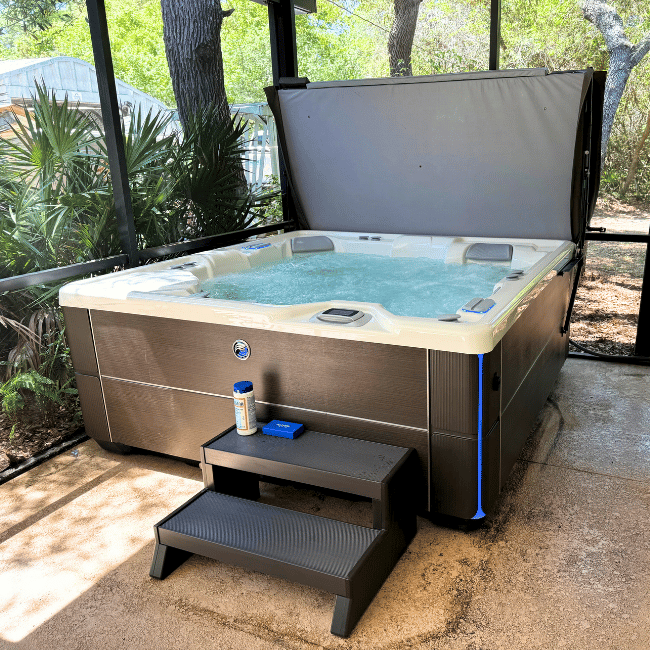
Dittbenner - Prodigy - Flagler Beach
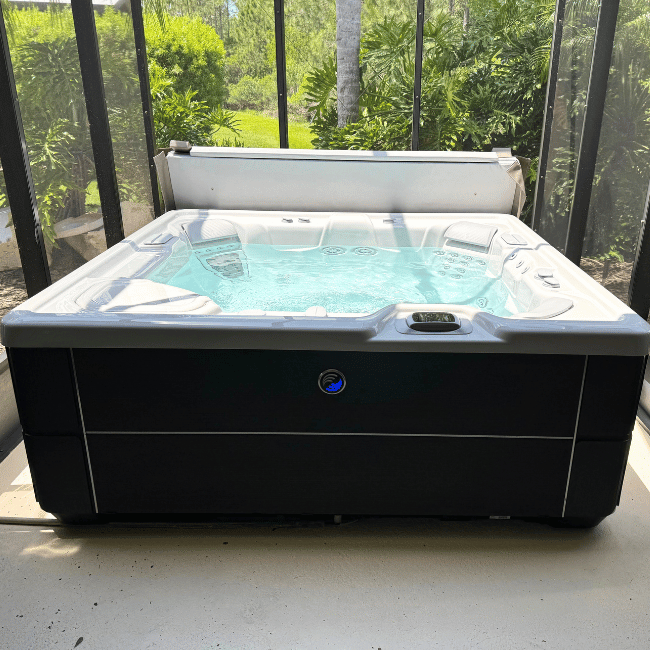
Brown Shell Hot Spring Hot Tub in Orlando, FL (2)
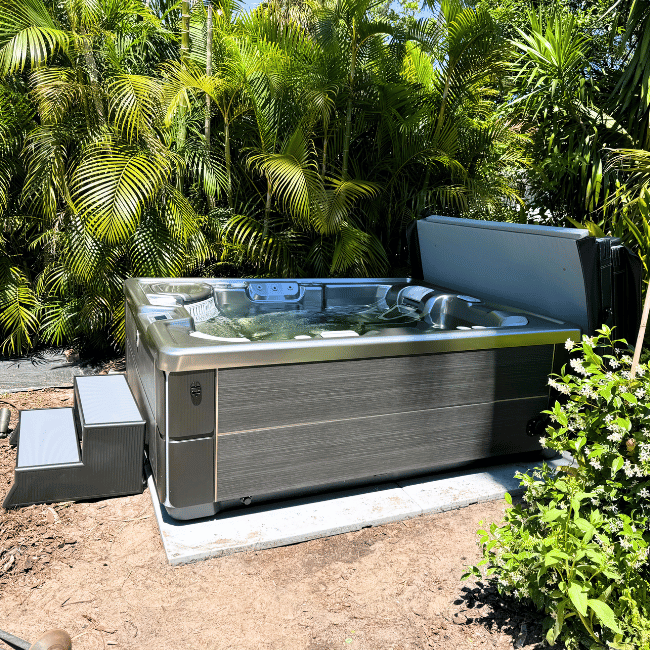
Hot Spring Hot Tub in jungle of Daytona, FL

Let’s break down what over-chlorinating is really doing to your beloved tub:

Chlorine eats away at seals and gaskets. The hot tub’s pumps, jets, heaters, and plumbing need those rubber and plastic components to stay snug and leak-free. When you drown them in extra chemicals, they start to break down, which can eventually lead to leaks.

It ages your cover faster than you can say “spa day.” Chlorine vapor doesn’t just vanish; it lingers under the cover and slowly deteriorates the material and hardware that keeps everything together.

Chlorine corrodes metal parts. Heaters, fittings, and hardware are especially susceptible when sanitizer levels are too high, especially if other water chemistry elements are out of whack. Rust and corrosion follow.

It puts your equipment through a stress test. Pumps, filters, and jets weren’t designed to live in an overly harsh chemical environment. What follows? More wear and tear, more service calls, and higher maintenance bills.

It clogs and breaks down your filtration system. When filters can’t cope with the overload, keeping the water clean becomes a real challenge, and things spiral downhill.

Chlorine isn’t the villain here. It’s essential to a clean, safe soak. The issue is balance, not volume. A well-maintained tub needs the right level of sanitizer paired with properly balanced water, not a heavier hand on the chemicals.

Let a Water Care Maintenance Plan Handle It

Getting chemistry right isn’t just about chlorine. It’s pH, alkalinity, calcium hardness, and sanitizer levels all working together, checked consistently, and adjusted before small imbalances turn into expensive repairs.

That’s exactly what a water care maintenance plan is built for:

  • Scheduled testing and balancing, so levels stay in range instead of swinging between “too much” and “not enough”
  • Professional-grade adjustments, dialed to your specific tub, cover, and equipment rather than guesswork at home
  • Early detection of wear, catching seal, gasket, or filter issues before they become leaks or breakdowns
  • Fewer surprises and lower long-term costs, since equipment that isn’t fighting harsh water lasts longer
  • More time actually enjoying the tub, instead of troubleshooting cloudy water or chemical smells

The takeaway: if your water isn’t behaving, don’t reach for more chlorine as a first move. Test your levels, check your balance, and when in doubt, ask a pro. Your seals, your cover, and your wallet will thank you.

SITE BY Design Studio LogoDESIGNSTUDIO

 |  ©2026 All rights reserved. MPD Version: 1.X